Powerhouse Energy Group
Conceptual Engineering Phase Deliverables
UK
Energy from Waste Design Engineer
- Overview
Engsolve provided comprehensive engineering support for the development of a pioneering Waste-to-Hydrogen Plant. Our client is at the forefront of advanced waste-to-energy solutions, leveraging their proprietary Distributed Modular Generation (DMG®) process. This innovative technology converts high-calorific-value waste materials—such as end-of-life tyres and plastics—into a clean synthesis gas (syngas), which can be refined into ultra-pure hydrogen.
- Description of Services
The primary objective was to validate and optimise the client’s DMG® process to reliably convert waste materials into syngas with a high hydrogen content. This syngas can then be upgraded to 99.999% purity using commercially available purification systems, making it suitable for use as road-grade hydrogen fuel.
Engsolve’s involvement began at the conceptual design phase, where our team developed key engineering deliverables including:
– Heat & Mass Balance calculations
– Process Flow Diagrams (PFDs)
– Equipment sizing and specification datasheets
– Equipment lists
– Plot plan
Throughout this phase, detailed findings were shared with the client to ensure alignment with performance goals and design requirements.
Following the successful completion of the conceptual design, Engsolve progressed to the Basic Engineering Design stage. Here, the scope expanded to include:
Piping & Instrumentation Diagrams (P&IDs)
Process line sizing and material take-offs
Electrical single-line diagrams
Utility flow diagrams
Engsolve also initiated engagement with key equipment vendors to support the generation of Capital Expenditure (CAPEX) and Operational Expenditure (OPEX) reports. This work culminated in the successful delivery of a robust process design and basic engineering package for a commercial-scale plant capable of processing 25 tonnes of waste per day.
Project Expansion and FEED Phase
As the project evolved, the client sought to significantly increase plant throughput. Engsolve was tasked with leading the Front-End Engineering Design (FEED) phase to support this enhanced design. Our multidisciplinary team—comprising specialists in mechanical, process, instrumentation and control, and safety engineering—collaborated closely with the main contractor to implement the necessary upgrades.
On-Site Support and Commissioning
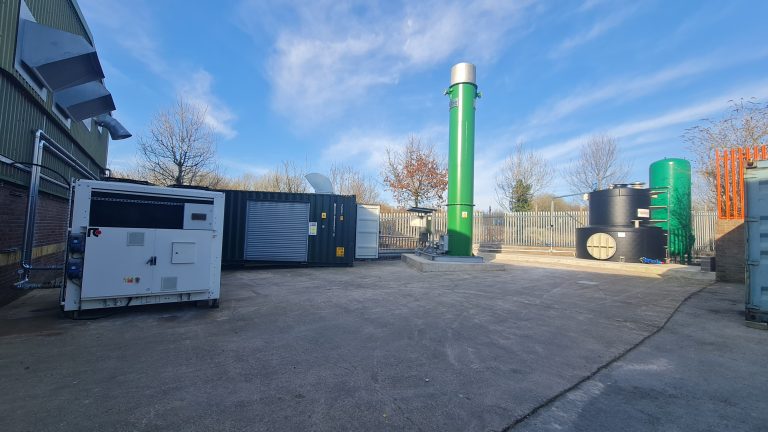
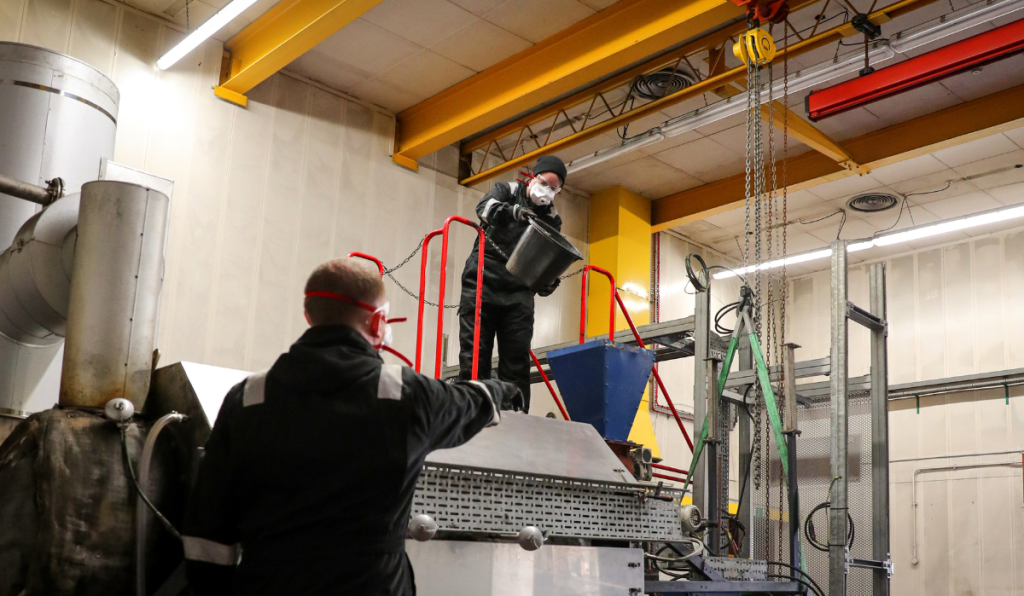
Upon completion of the process design, Engsolve continued to support the client through the installation and commissioning of a demonstrator unit located at the University of Chester. Our site services included the development and implementation of a feedstock management regime, which was essential to the ongoing development and optimisation of the DMG® technology.