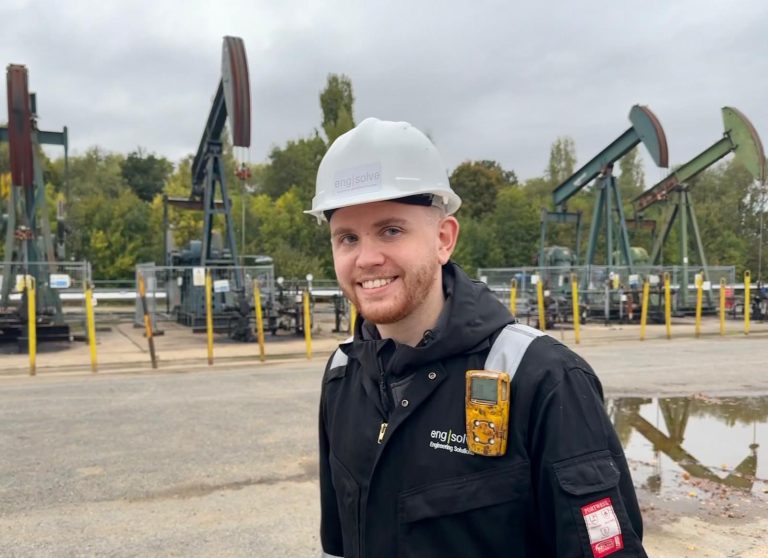
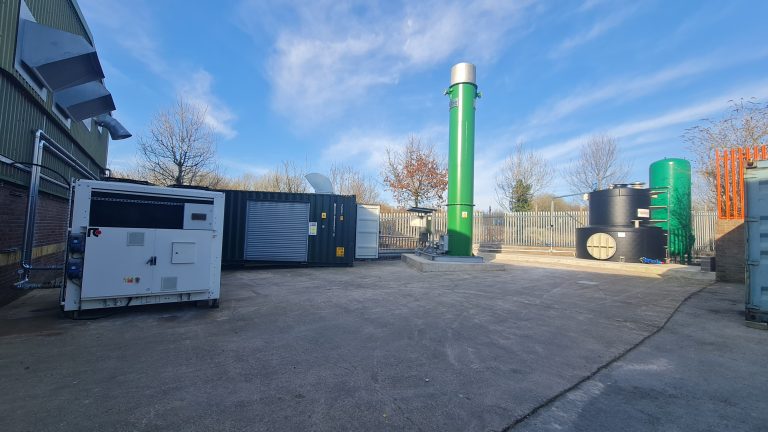
Lifecycle management in oil and gas projects encompasses a broad range of activities, from the initial concept and field development to commissioning and post-installation support. This comprehensive approach is crucial for the successful execution and long-term sustainability of oil and gas operations. This blog post explores the integrated project management and detailed design processes that are essential at each stage of a project’s lifecycle.
Initial Field Development
The lifecycle of an oil and gas project begins with field development planning. This phase involves:
– Feasibility Studies: Assessing the technical and economic viability of a project.
– Site Surveys: Collecting geological and environmental data to inform design decisions.
– Regulatory Compliance: Ensuring all operations adhere to local and international laws.
Design and Engineering
Detailed design and engineering are critical for setting the project up for success:
– Engineering Design: Creating detailed plans and specifications for the construction and operation of facilities.
– Simulation and Modelling: Using advanced software to predict operational scenarios and optimise designs.
– Risk Assessment: Identifying potential risks and developing mitigation strategies.
Construction and Installation
The construction phase involves translating design blueprints into physical structures:
– Procurement: Sourcing high-quality materials and equipment.
– Construction Management: Overseeing the construction process to ensure compliance with safety and quality standards.
– Installation: Implementing complex systems and infrastructure in line with engineering specifications.
Commissioning and Start-Up
Before full operational launch, systems undergo thorough testing:
– System Testing: Ensuring that all equipment functions correctly and safely.
– Operational Training: Training staff to operate new systems efficiently and safely.
– Initial Start-Up: Gradually bringing systems online to ensure they operate as intended.
Post-Installation Support
After commissioning, ongoing support ensures operational continuity and efficiency:
– Maintenance Planning: Developing schedules for regular maintenance to prevent breakdowns and extend the life of equipment.
– Performance Monitoring: Using sensors and data analytics to monitor system performance and make adjustments.
– Upgrades and Optimisation: Implementing new technologies and processes to enhance efficiency and reduce environmental impact.
Conclusion
Effective lifecycle management in oil and gas projects requires meticulous planning, detailed design, and integrated project management. Engineering consultancies play a pivotal role in each phase, ensuring that projects not only meet current demands but are also poised for future challenges and opportunities. This holistic approach is essential for the successful deployment and operation of oil and gas facilities, emphasising the critical importance of every stage from concept to commissioning.